I can wear whatever the hell I want, and no matter what you say, I’m still an engineer
For a long time I’ve challenged the stereotypes involved with being a woman, and even more so being a woman in tech. I’ve openly talked about my journey with web development, and the constant “that’s a man’s job” and “you don’t look like a developer” that I was hit with.
Although women are receiving more recognition and respect, and workplaces are celebrating the achievements of women, there are environments where women are still being stereotyped, still being judged, and still being treated with disrespect.
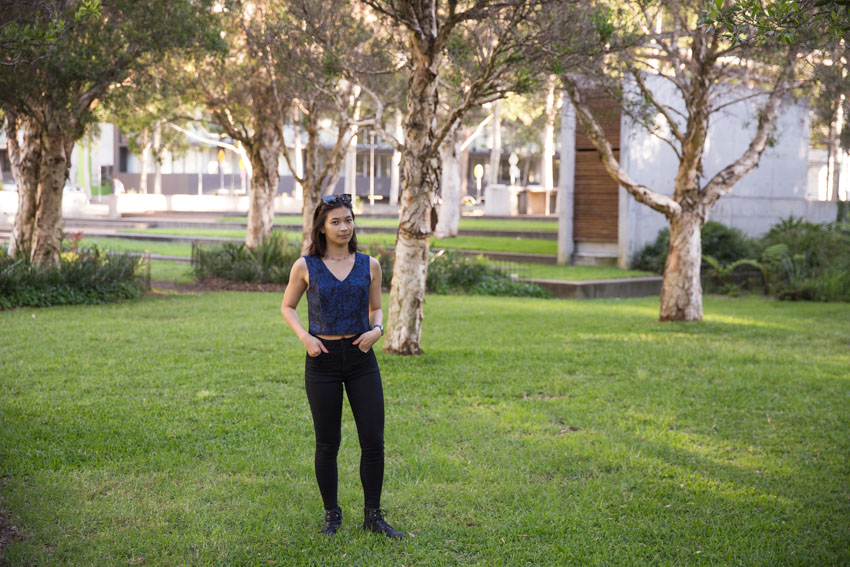
Let’s talk about the #ILookLikeAnEngineer movement that took over social media a few years ago. Women of all ages, racial backgrounds, and engineering backgrounds (yep, civil engineering, medical science, aerospace engineering, all counts) – especially women not fitting the “nerd” or “geek” stereotype, sometimes attractive women, well-dressed women, women with makeup accentuating their best facial features – took part by sharing selfies or photos of themselves with the hashtag. I saw beautiful, intelligent, confident women, with strong careers, who I am proud to share the spotlight with.
As a child I was hardly into “girly” things like makeup, princesses, and dressing up in dresses. I preferred to be comfortable rather than cute, and though my parents dressed me when I was younger, I found my own style later on. I enjoyed reading and I did like cute stationery, and dolls, but I also liked video games, LEGO, and action movies – which, when I was a child, were all things that were mainly “for boys”. Yet – and what I am thankful for – my parents didn’t stop me from doing what I enjoyed, and they didn’t tell me that I should do more “girly” things and less “boyish” stuff.
My style has changed over the years. As a teenager, I dressed in an edgy way – punk-rock-like, if you will – mainly to rebel against my parents who thought that as I got older I should dress more like “a woman”. So while my parents encouraged me to engage in my hobbies and take on activities and roles that might have typically been considered for men, I believe they still thought I should dress more in a classic, and – as my mother put it – elegant, manner. And that’s okay. I completely understand it, because even these days I catch myself feeling a little inferior if I’ve not chosen to dress up “like a lady”. It is still very much ingrained into society.
However, back then, I thought, no, I’m wearing whatever the fuck I want. I had a style that was fused gothic, Harajuku-inspired, and riddled with prints and bright or unusual colours. I mixed and matched patterns dangerously, in a way that would be considered a faux pas. But did I care? No.
Throughout university, whilst studying my masters degree among mature-age students, I found that the majority of people did take me quite seriously and even assumed I was the same age as them. I was, in fact, at least five to ten years younger than all of them. In recent years, I’ve worked for companies that do not have a specific dress code, and a casual t-shirt and jeans are acceptable. I have been able to wear what I feel like wearing and not be judged. For me, it’s usually not a t-shirt and jeans. Perhaps apart from the occasional “You’re dressed up, where are you going?” or “Nice outfit, are you going to an interview?” But even then, it’s either a compliment or a joke, and that’s fine.
I mentioned that my style changed. These days I don’t dress like a punk-Harajuku-inspired-lolita chick, and that’s okay. I have actually taken on this more “elegant” look that my mum had wanted me to take on, but still with an edge or something unique – I love a good print or an interesting fabric. I love fashion and I believe clothing can be a way of expressing yourself as an individual. Everyone has their own style and I love seeing it. Other women in tech have complimented my style, we talk about where we like to shop, or that we’re trying to clean our wardrobes, where we found the best shoes to walk and hike in, how many tech t-shirts we might or might not have, how quickly or how slowly it takes to get dressed in the morning, and it’s nice that we can chat about something other than work. (Does anyone else think, “yay!” when you’re invited to lunch by a colleague and then you end up talking about work? No? Anybody? 😢)
Although I don’t wear makeup apart from the occasional lip colour, I believe that women can also express themselves through makeup. Just like clothes that fit right and flatter well, makeup is a way women can express their creativity and passion, and feel more confident in their own skin and body.
Not every woman working in technology will consider themselves fashionable and may never want to wear makeup – and that’s totally OK. Not every woman needs to appear “like a lady” in order to be taken seriously. They should be free to wear whatever they want to wear – t-shirt and jeans; spiked choker; gothic lolita dress; long midi dress; denim shorts and a sweater; pencil skirt and a peplum top; activewear; however much or little makeup – and feel comfortable.
Confident.
Like they can take on the world.
They deserve to be confident and happy.
They should never be stereotyped based on their clothes.
They shouldn’t be shoeboxed as a “girly product manager”, “that goth in IT support”, “that nerdy software engineer with the glasses”, “the designer who looks like a gypsy”, “the boring girl in marketing” – and they should never be objectified as “the hot chick who works upstairs” or “the UX researcher with the nice ass”.
Because at the end of the day, women have skills and intelligence that isn’t dictated by what they wear, and there is so, so much more to them than what your stereotyping and judgement suggests.
So tomorrow – when I walk into work with my current favourite outfit of an off-the-shoulder top, jeans and ankle boots – you can bet your bottom dollar that I’m just as much of an engineer then as I am today.
_This post was written for International Women’s Day, on the 8th March this year.
Last year, for International Women’s Day, I published a blog post titled Passion is immeasurable. This year, I tried to stick with the theme #PressForProgress, which is why I chose to write on the topic of stereotyping of women in the tech industry – though I’m aware that this issue occurs for women working in all industries._